 Skip to content
Affordable Safaris in Akagera National Park: Discover Rwanda’s Hidden Gem Affordable safaris in Akagera National…
Cultural Tours in Rwanda
Cultural Tours in Rwanda – A Journey into the Soul of the Land of a Thousand Hills
Rwanda’s breathtaking landscapes and extraordinary wildlife often take center stage, but the country’s rich cultural heritage offers equally captivating experiences for travelers seeking deeper connections. Beyond the misty volcanoes and lush rainforests lies a vibrant tapestry of traditions, arts, and community initiatives that reveal the resilience and creativity of the Rwandan people. Cultural tours in Rwanda provide intimate encounters with local communities, immersive hands-on activities, and powerful insights into how this nation has woven its history into a thriving modern identity while preserving its ancestral roots.
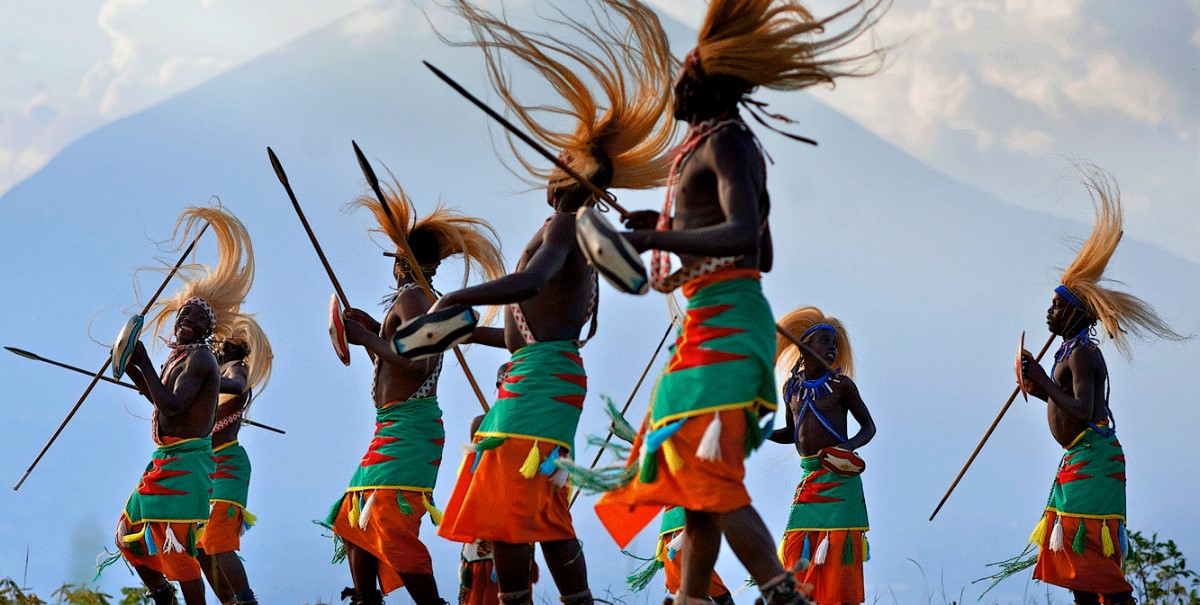
One of the most profound cultural experiences awaits at the Iby’Iwacu Cultural Village, nestled near Volcanoes National Park. Founded by former poachers who transformed into conservation advocates, this living museum showcases authentic Rwandan traditions through interactive participation rather than passive observation. Visitors can try their hand at traditional archery, join energetic Intore warrior dances accompanied by rhythmic drumming, or learn the intricate craft of agaseke basket weaving—a UNESCO-recognized art form. The village’s storytellers share oral histories passed down through generations, while former poachers-turned-guides offer moving testimonies about their journey from hunting wildlife to protecting it. These encounters highlight Rwanda’s remarkable story of reconciliation, not just among people but between communities and nature.
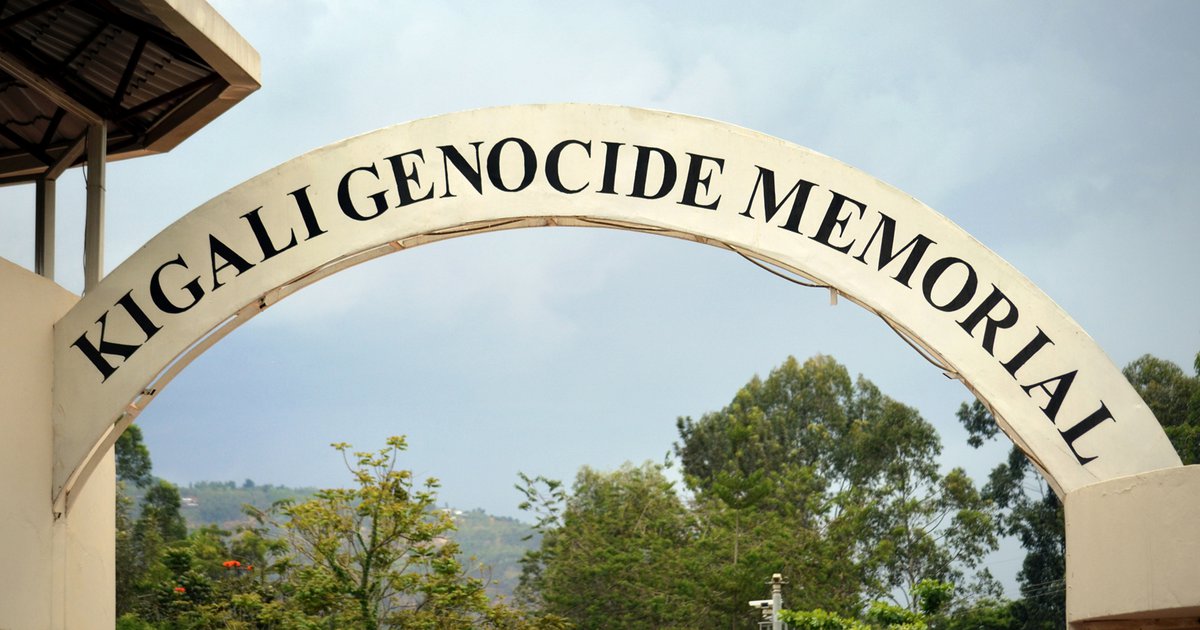
In Rwanda’s bustling capital, Kigali Cultural Tours unveil the city’s dynamic fusion of tradition and modernity. The Inema Arts Center pulses with creativity, where contemporary Rwandan painters and sculptors reinterpret heritage through bold new mediums. At the Nyamirambo Women’s Center, female-led tours through Kigali’s oldest neighborhood reveal daily life in Rwanda’s most colorful district, culminating in cooking classes to master dishes like ubugali (cassava bread) and isombe (cassava leaf stew). The Kigali Genocide Memorial, while emotionally challenging, provides essential context for understanding Rwanda’s rebirth, with local guides sharing personal perspectives on healing and hope.
For those venturing to Lake Kivu, the Imigongo Art Experience introduces one of Rwanda’s most distinctive art forms—geometric designs crafted from cow dung mixed with natural pigments. At cooperative workshops in Kibuye or Rusizi, artists demonstrate how this centuries-old tradition, born from royal courts, continues to thrive. Further south, Nyungwe’s surrounding tea plantations offer cultural encounters of a different flavor—literally. Participating in the tea-harvesting process alongside plantation workers, then savoring freshly brewed cups amid rolling green hills, connects visitors to Rwanda’s status as Africa’s premier tea producer while supporting women-led cooperatives.
Rwanda’s cultural tours shine brightest when they facilitate genuine exchanges rather than performances. Whether sharing a meal with a family in a rural umudugudu (village), learning medicinal plant uses from traditional healers, or joining a lakeside fishing community as they mend nets at dawn, these experiences reveal the warmth and generosity at the heart of Rwandan society. Many initiatives—like the Red Rocks Intercultural Exchange near Musanze—directly funnel tourism income into community projects, from schools to sustainable agriculture.
What sets Rwanda’s cultural tourism apart is its authentic integration with conservation and development. Visitors don’t just observe traditions—they participate in their preservation, whether through purchasing handicrafts that sustain cooperatives or listening to elders’ stories that might otherwise fade. These encounters add profound depth to a Rwanda journey, transforming wildlife sightings into a holistic understanding of how people and nature coexist in this remarkable country.
Fiston Tours designs personalized cultural itineraries that connect travelers with Rwanda’s living heritage—from royal drum makers to modern artists—ensuring your visit leaves positive impacts.
(Traveler’s Note: Rwanda’s cultural experiences emphasize respect and reciprocity—guides will advise on appropriate photography and participation customs.)

Related Posts




Comments (0)