 Skip to content
Gishwati-Mukura National Park: Rwanda’s Hidden Gem for Primate Trekking and Eco-Tourism
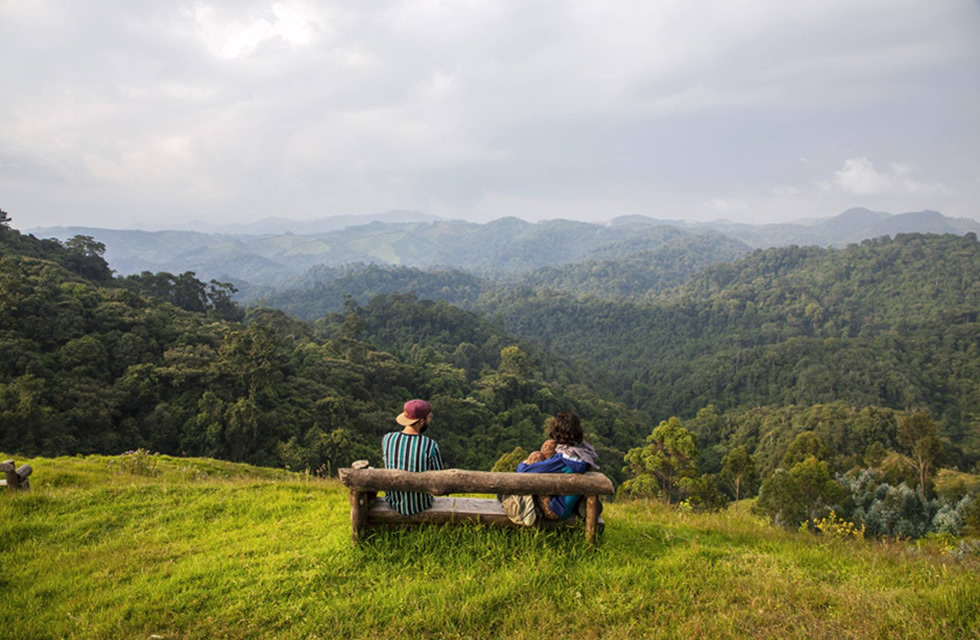
Nestled in Rwanda’s western province, Gishwati-Mukura National Park is one of the country’s newest and most underrated conservation areas, offering an off-the-beaten-path experience for nature lovers and adventure seekers. Comprising two separate forests—Gishwati and Mukura—this national park spans over 34 square kilometers of regenerating rainforest, serving as a vital corridor for wildlife between Nyungwe Forest and Volcanoes National Park. Established in 2015, the park is part of Rwanda’s ambitious conservation efforts to restore degraded ecosystems and protect endangered species, including chimpanzees and golden monkeys.

Why Visit Gishwati-Mukura National Park?
Unlike Rwanda’s more famous parks, Gishwati-Mukura offers a more intimate and exclusive wildlife experience with fewer tourists. The park is home to a growing population of around 20 chimpanzees, along with golden monkeys, L’Hoest’s monkeys, and over 60 bird species, including the striking Great Blue Turaco. The chimpanzee habituation program allows visitors to spend extended time with researchers observing these primates in their natural habitat, making it a fantastic alternative to the busier Nyungwe Forest. Additionally, the park’s scenic hiking trails lead through lush vegetation, past waterfalls, and to breathtaking viewpoints overlooking Lake Kivu and the surrounding hills.
Unique Activities in Gishwati-Mukura National Park
1. Chimpanzee Trekking
One of the park’s main attractions is chimpanzee tracking, where visitors trek through dense forest to observe these intelligent primates. Unlike larger parks, Gishwati-Mukura offers a more personalized experience with smaller trekking groups.
2. Golden Monkey Tracking
The park is also home to golden monkeys, playful and photogenic primates that are easier to spot than chimpanzees. Tracking them provides a fascinating glimpse into their social behaviors.
3. Nature Walks and Birdwatching
With well-maintained trails, the park is ideal for guided nature walks, where visitors can spot rare birds, butterflies, and unique plant species. Birdwatchers should look out for Rwenzori Turacos and Black-and-White-Casqued Hornbills.
4. Community-Based Tourism
The park works closely with local communities, offering cultural experiences such as traditional dance performances, handicraft workshops, and visits to nearby tea plantations.
Best Time to Visit
The ideal time for trekking in Gishwati-Mukura National Park is during the dry seasons (June-August and December-February), when trails are more accessible and wildlife sightings are more frequent. However, the park’s lush greenery during the rainy season (March-May and September-November) offers a different kind of beauty.
How to Get There
-
By Road: A 2.5-hour drive from Kigali via Musanze or Rubavu.
-
Nearest Town: Rubavu (Gisenyi), a scenic lakeside destination.
Where to Stay
Accommodation options near the park range from luxury lodges to budget-friendly guesthouses:
-
Gishwati Lodge (Mid-range, eco-friendly)
-
Lake Kivu Serena Hotel (Luxury, lakeside views)
-
Community-run homestays (Authentic cultural experience)
Conservation Success Story
Once severely degraded due to deforestation and farming, Gishwati-Mukura has seen remarkable recovery thanks to Rwanda’s reforestation efforts. The park now serves as a model for sustainable eco-tourism, balancing wildlife protection with community benefits.
Why Choose Gishwati-Mukura Over Other Parks?
- Less crowded than Nyungwe or Volcanoes National Park
- Affordable permits (cheaper than gorilla trekking)
- Supports local conservation and communities
- Perfect for travelers seeking an off-the-beaten-path adventure
Plan Your Visit Today!
For those looking to explore Rwanda beyond the usual tourist trails, Gishwati-Mukura National Park offers a unique blend of primate trekking, birdwatching, and eco-tourism. Whether you’re a wildlife enthusiast, a hiker, or a cultural traveler, this hidden gem promises an unforgettable experience.
Book your trekking permit in advance and discover Rwanda’s best-kept secret!
